
Whoa—this hits different. I was poking around a bad transaction the other day and felt my stomach drop. My instinct said, “This will cost more than gas.” At first it felt like a UX luxury, but then the logic clicked. Simulation can actually act like a seatbelt for your DeFi moves.
Here’s the thing. Simulation isn’t mystical. It replays or predicts what a chain call will do given current state. For users that means fewer surprises, like runaway approvals or hidden slippage. On the other hand, simulators can lie sometimes, depending on the RPC or mempool state. So you need to read the output, not just click accept.
Really? yes really. Think of it as a preflight check. Pilots don’t just look at gauges; they simulate failure modes. A good wallet shows you not only what will happen, but why it might go wrong. Initially I thought “show me the numbers,” but actually the narrative around the numbers matters more.
Okay, so check this out—there are two broad simulation methods. You can do a dry-run against a full node, or replay using a local fork that mirrors mempool transactions and pending states. Each approach has tradeoffs. Dry-runs are fast and cheap; forks are more faithful but heavier. I’m biased, but for complex DeFi flows the extra fidelity often pays off.
Hmm… somethin’ about approvals bugs me. Approvals are easy to sign without thinking. A simulation that highlights token allowances and the smart contract methods that will be called helps. It should show token flows, approvals, and whether funds leave your wallet. That simple visibility alone prevents a surprising number of scams.
Whoa—watch the gas. Gas estimation is basic, yet frequently wrong. A simulator that models gas usage and shows the worst-case cost is extremely useful. Many wallets display a single gas number; that’s misleading because DeFi operations often have variable execution paths. More detail = fewer wallet panic-approves.
Here’s a small anecdote. I once almost executed a leverage trade where the liquidation path would have eaten my entire position. The simulation flagged a complex callback to another contract that adjusted balances in weird ways. I backed out. If that had been on a phone at 2 AM, I’d have lost funds. So yes—simulation saved me that time.
On one hand simulators catch front-running and slippage scenarios. Though actually, they’re not perfect. MEV and mempool dynamics can change between the sim and the real broadcast. A simulation is a snapshot, not a prophecy. That said, seeing the possible sandwich attacks or failed swaps helps you change timing or split trades to mitigate risk.
Seriously? this matters for approvals too. A clear readout should show approvals that grant infinite allowances. It should suggest replacing them with minimal allowances when possible. The UI should encourage conscious decisions. Wallets that don’t do this well are, in my view, asking for trouble.
Initially I thought that node choice was a boring backend detail, but it’s crucial. Your RPC provider shapes simulation accuracy. Public nodes may be laggy or rate-limited and miss pending mempool txs that would affect your trade. Private or more reliable RPCs give better sims, though they can cost money. Tradeoffs again—speed vs fidelity.
Whoa—here’s a nuance. Simulation can reveal side effects you didn’t expect, like token transfers to third-party contracts or deterministic self-destruct calls. A good risk assessment doesn’t just show gas; it annotates unusual behaviors. Seeing “this contract will call transferFrom to address X” is actionable. It’s the difference between guessing and judging.
I’ll be honest—there are false negatives. Some exploits depend on off-chain oracles or time-based states that a snapshot won’t predict. Also, private mempool pools and bots can change outcomes after you simulate. So simulation reduces but does not eliminate risk. I say that so you don’t get complacent.
Really? yep—UX matters. If the simulation output is a wall of bytes and opcodes, users will ignore it. A layered view is better: a short summary line, followed by expandable technical detail. Start simple. Let power users dig deeper. Keep the mental load low for casual traders—yet available for the curious ones.
Here’s what bugs me about a lot of wallet risk models. They either scream “danger!” for every minor anomaly or whisper nothing at all. Balance that. Show severity levels, examples of what could happen, and past incidents for context. Humans respond to stories; facts without context get ignored.
Whoa—image time. Check this out—
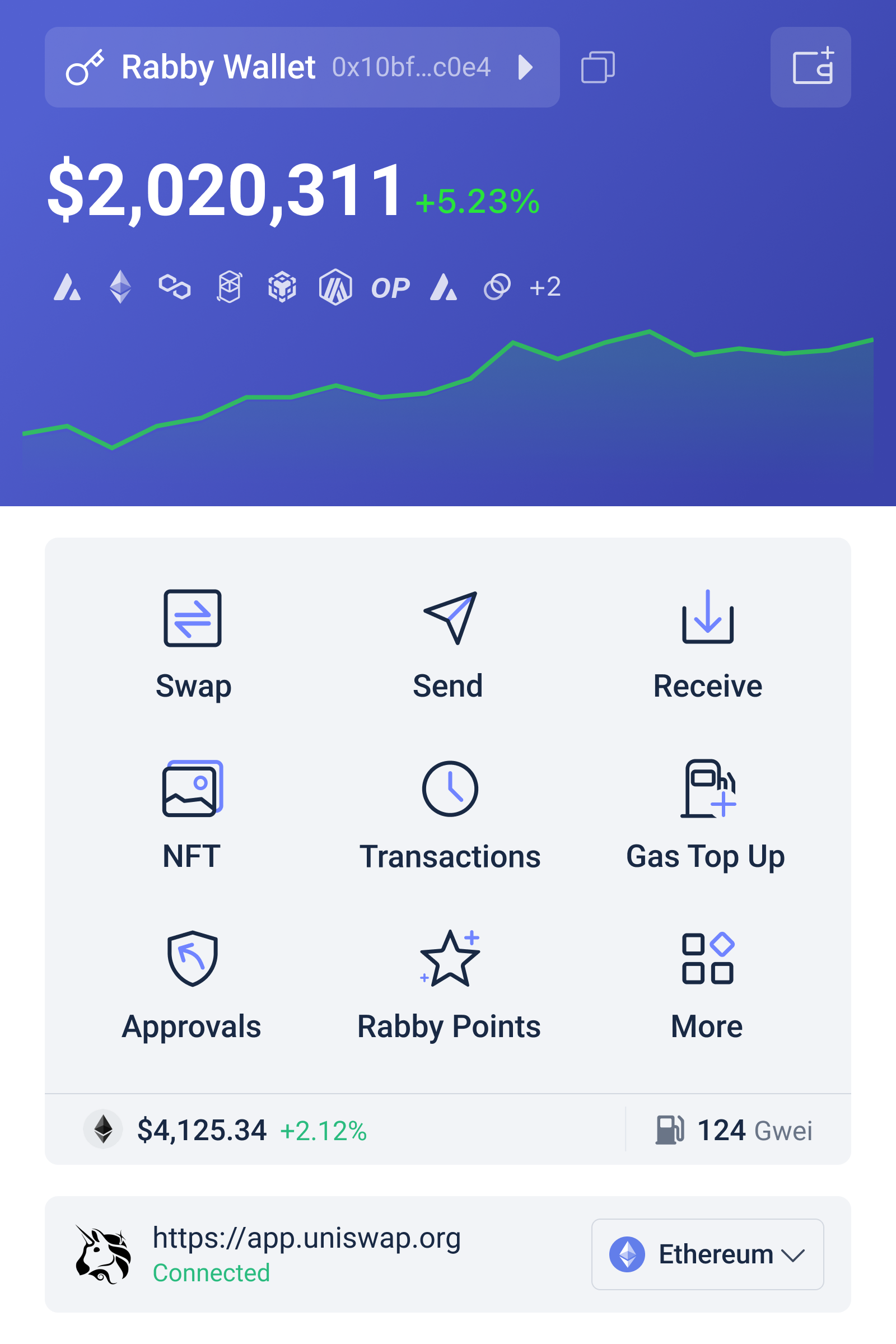
Okay, moving on. One practical architecture I’ve seen work pairs an on-device lightweight simulator with a more detailed cloud-based analysis. The device-level sim blocks obvious mistakes instantly. The cloud sim can run forks and deeper heuristics. That split keeps latency low while offering high-fidelity risk checks when needed.
On the technical side, simulators examine the call trace, decode logs, and map token flows. They often use EVM replays (eth_call with state overrides) or ganache-style forks. Simulators might also use symbolic execution to detect reentrancy or ether-draining paths. Those are computationally heavier, but they find attack patterns that simple replay misses.
Hmm—privacy tradeoffs come up here. Sending transaction data to a third-party analysis service leaks intent. Some wallets mitigate that by running the primary sim locally and sending only metadata to cloud services. Others give users options: “fast local sim” vs “deep cloud sim.” Choice matters, and wallets should make that trade explicit.
I’m not 100% sure about every edge case. New exploit patterns show up all the time and sometimes bypass existing heuristics. But the pattern is clear: visibility reduces mistakes. Even if your simulator misses an exotic bug, it often prevents common user errors that cost real money. So the ROI is high for both users and wallet developers.
How to use simulation in your wallet—practically
Use simulation as a decision amplifier. Always look for approval scopes and unusual contract calls. If a wallet like rabby flags a method as risky, pause and verify on Etherscan or a trusted source. Break big trades into smaller ones when the sim shows potential slippage. And consider private RPCs or local forks for high-value operations—trust but verify.
Wow—behavioral cues matter. Designers should nudge: default to minimal allowances, show historical worst-case costs, and explain why a transaction might fail. A calm, explanatory tone works better than red alarms that cause panic. Humans are predictable; good UX shapes safer habits.
FAQ
Can simulation guarantee safety?
No. Simulation reduces risk, but it doesn’t eliminate it. It gives you a clearer picture and highlights probable failure modes, yet mempool dynamics and off-chain data can change outcomes after simulating. Treat it as a powerful filter, not a full-proof shield.
Does simulation cost extra?
Not always. Basic sims against public RPCs are inexpensive. Advanced forks or cloud analyses may require resources and sometimes paid RPC access. Wallets often batched simple checks locally and reserve costly sims for flagged transactions, which balances cost and safety.
Should I always use a deep simulation before big trades?
Yes—especially for complex DeFi ops. For casual token swaps small amounts, a quick sim helps. For leveraged positions, multi-step bridge transfers, or high-value approvals, deep simulation paired with manual review is wise. I’m biased, but that cautious approach has saved me more than once.